Worn-Out Furnace Pivot Bores Rebuilt Back to Spec
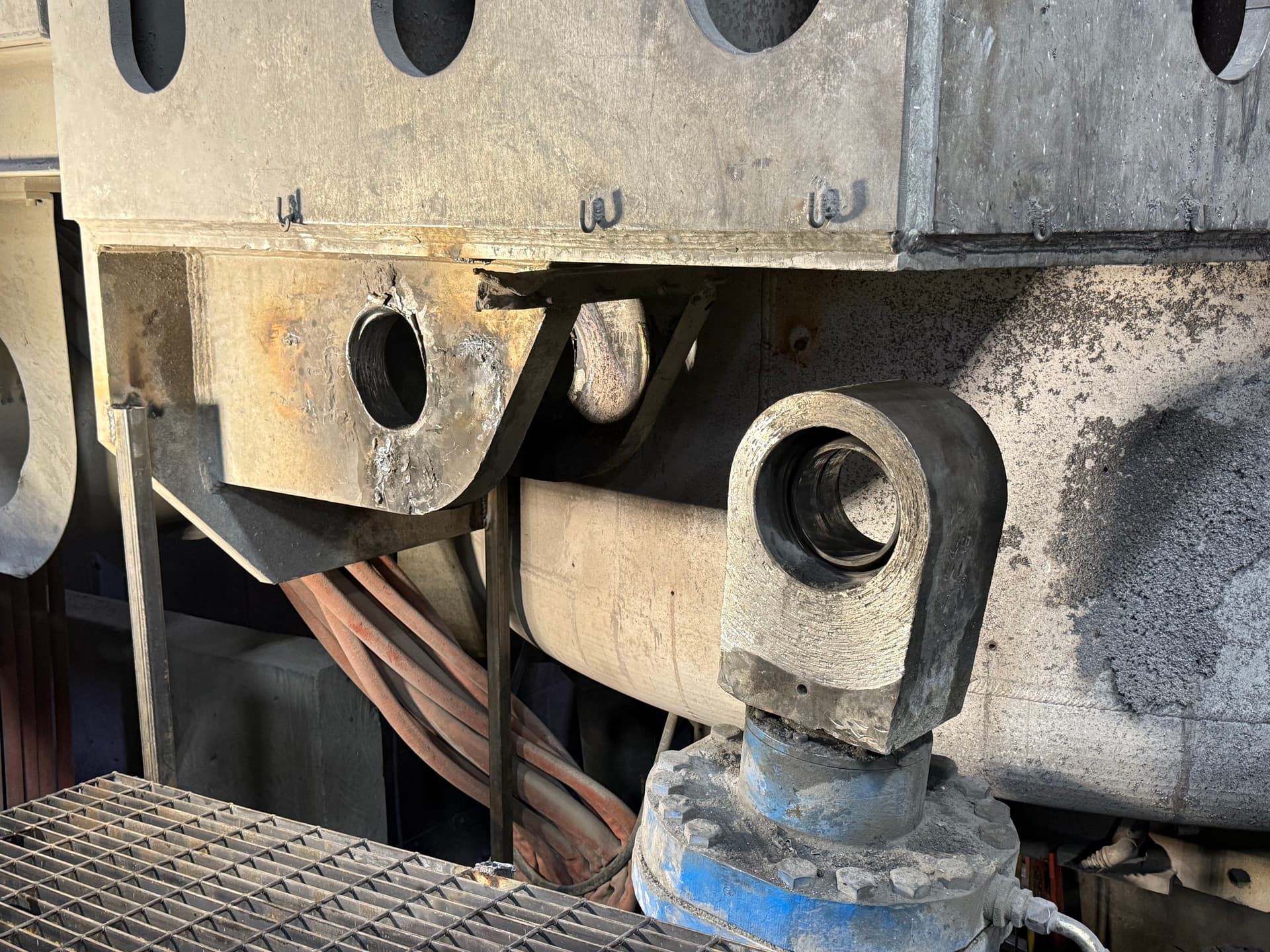
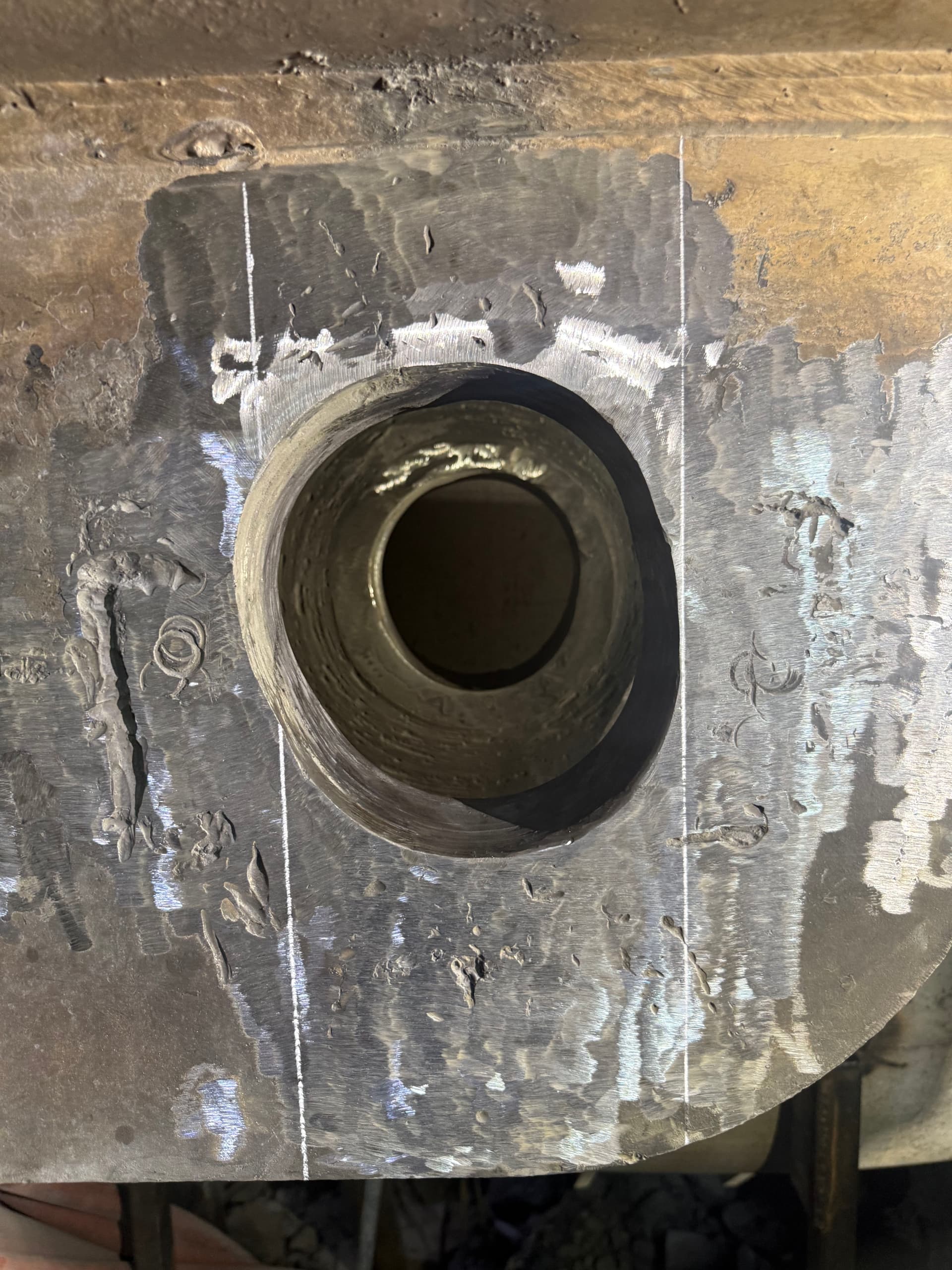
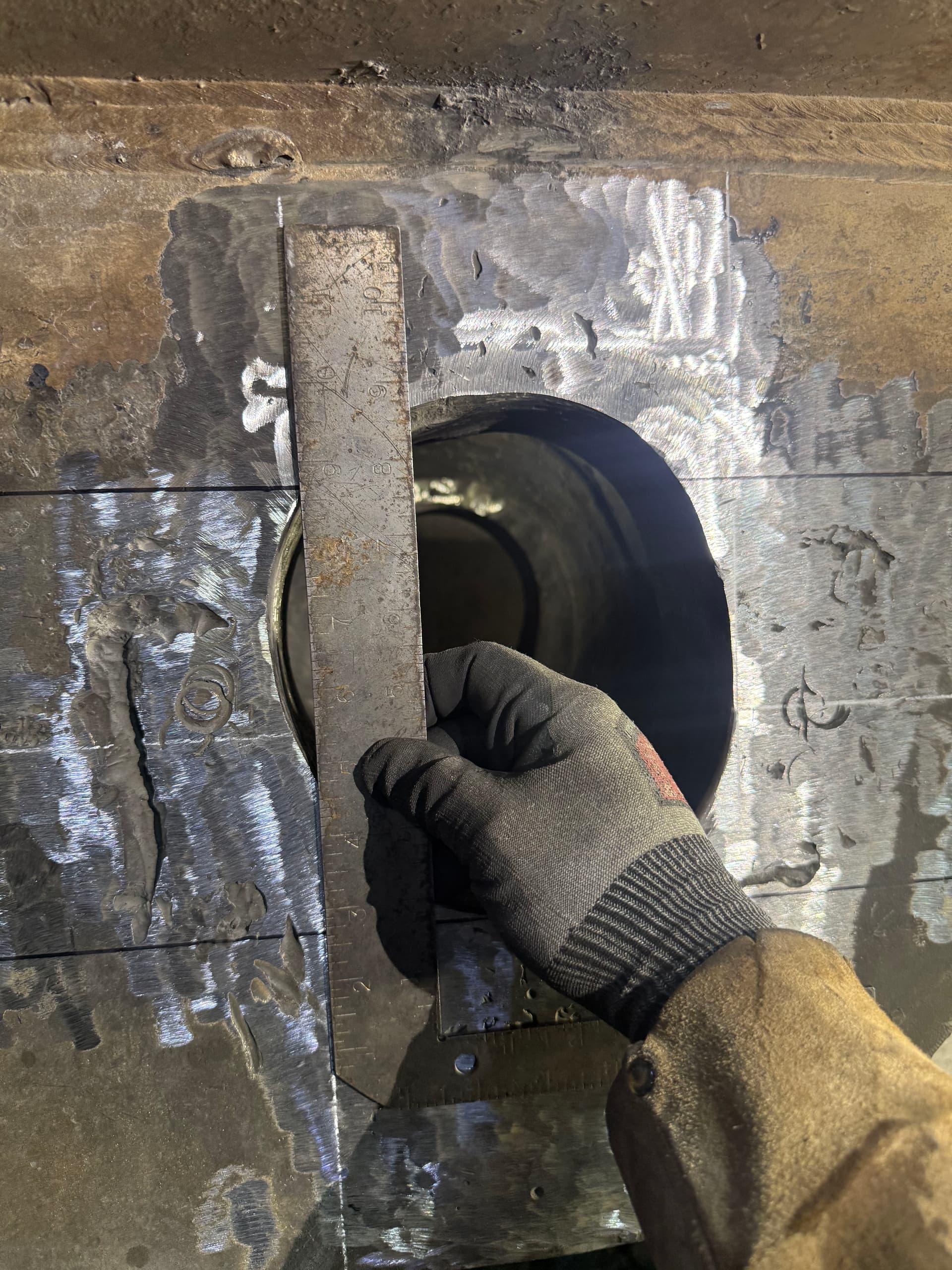
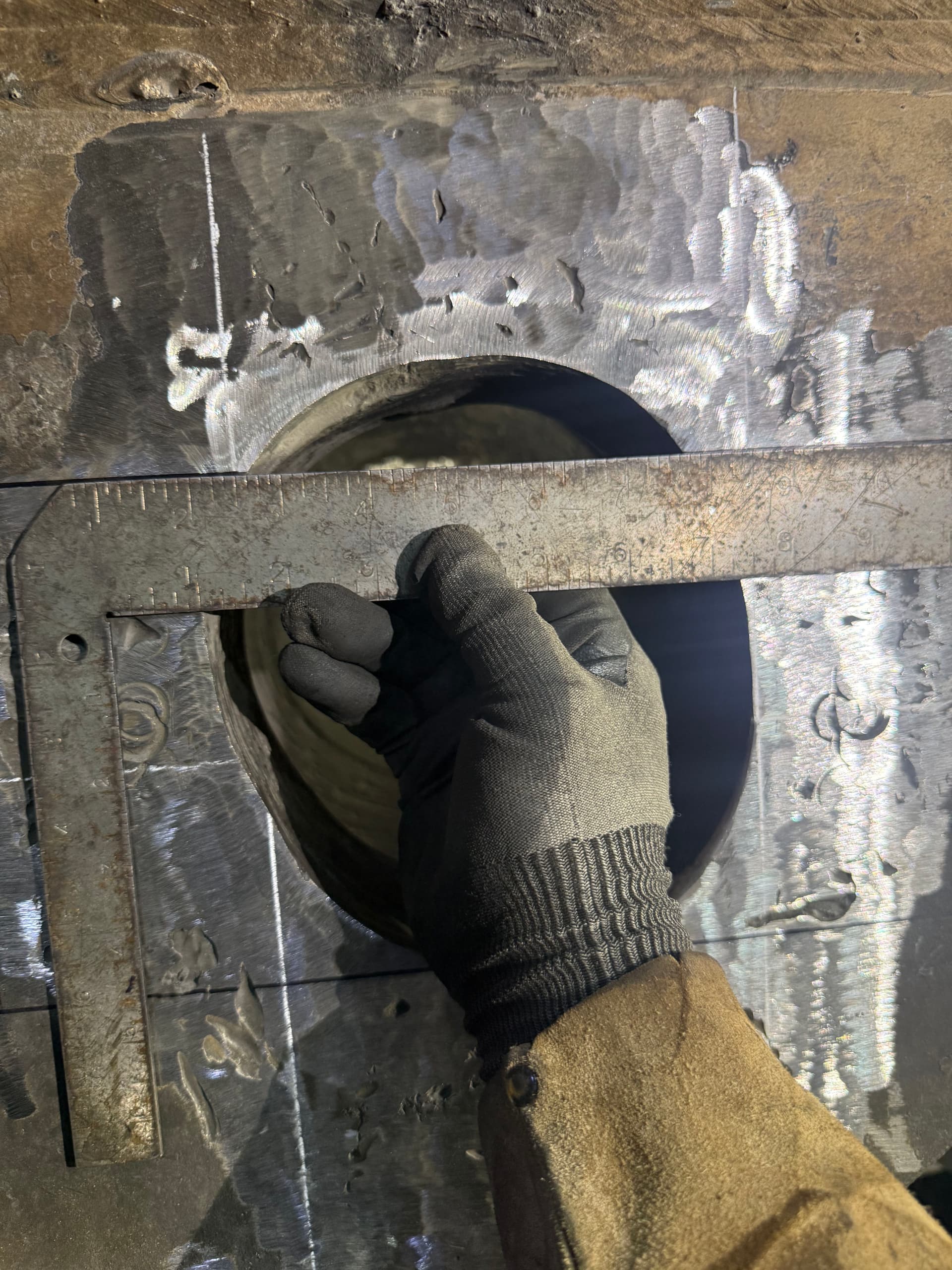
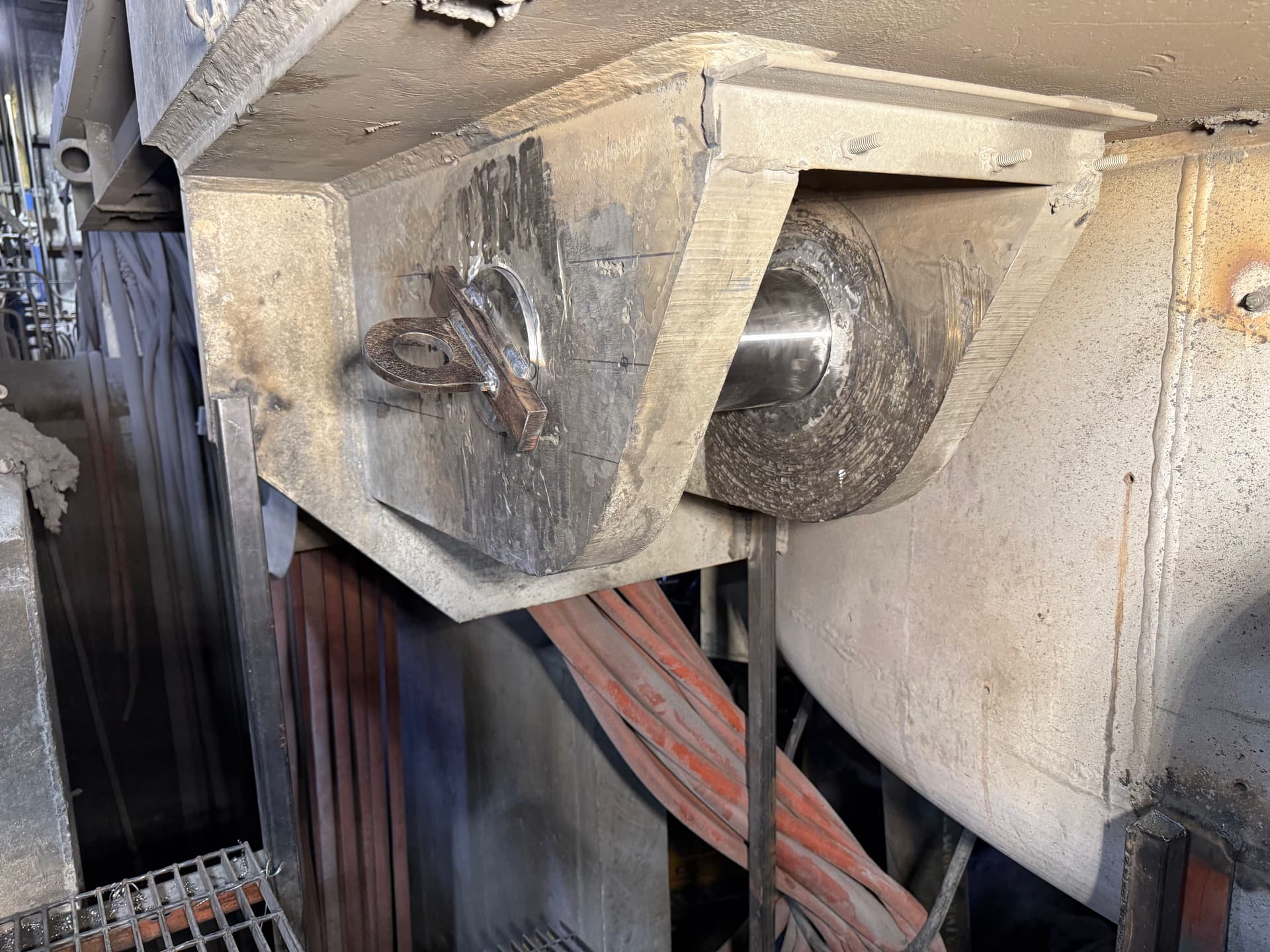
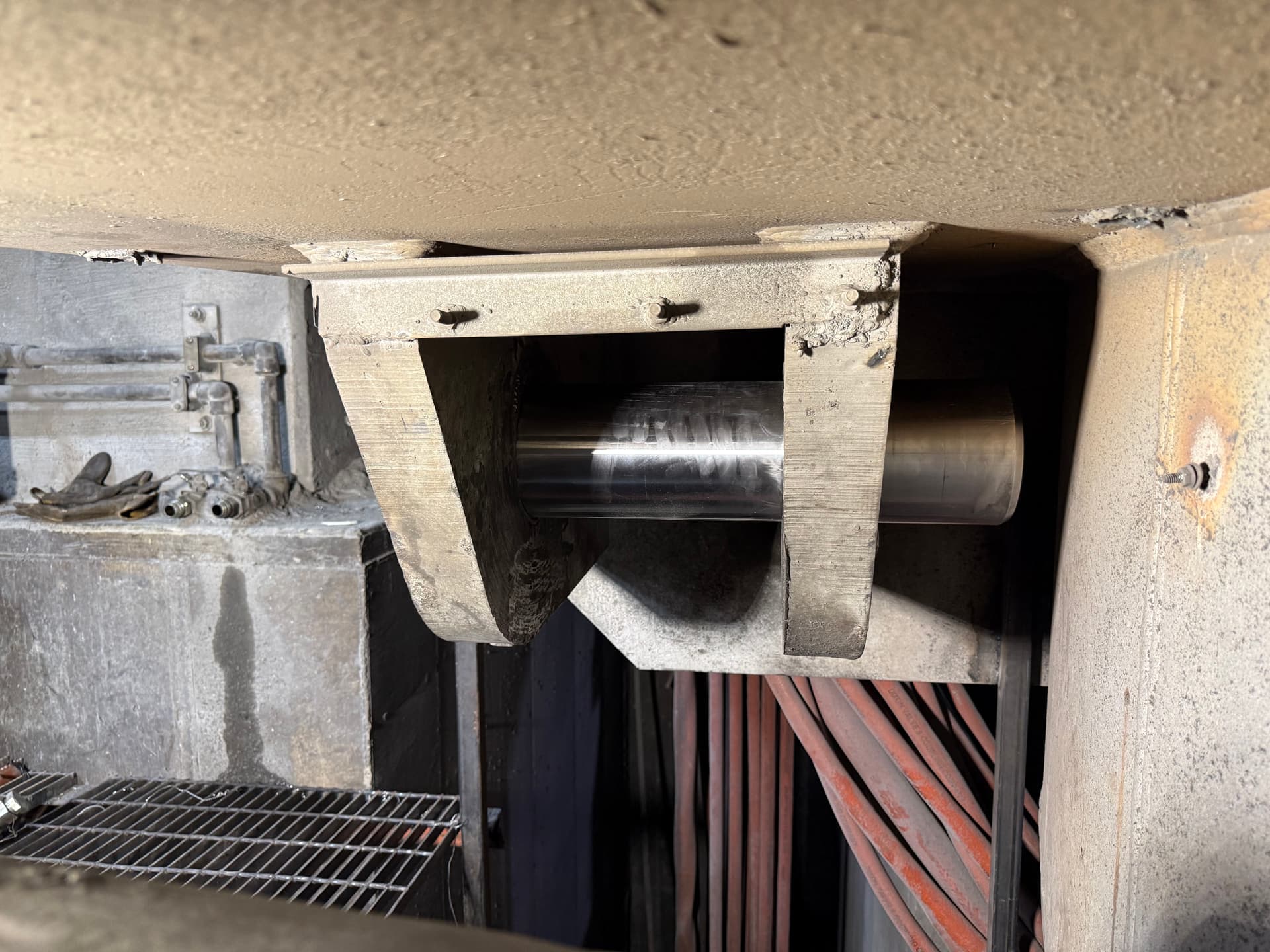
When a bore wears past factory spec on heavy industrial equipment, you've got two options - replace the whole assembly or fix it right. On this furnace job, the pivot bores had worn way beyond what a simple bushing swap could handle. We're talking 6-inch holes that had wallowed out over time from years of load and movement. The material was just gone. So we started from scratch, the right way.
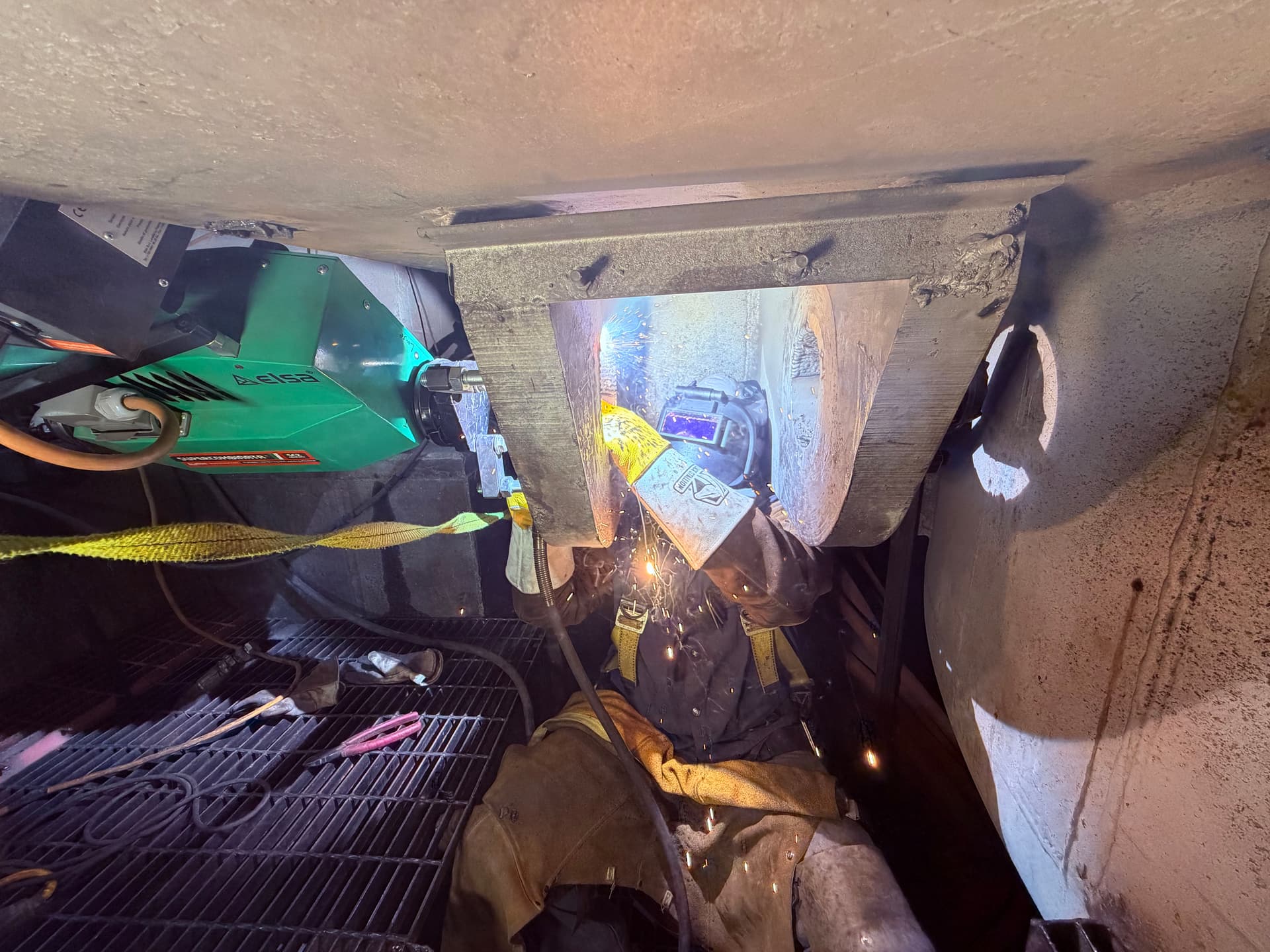
Before any machining touched those bores, we built the material back up by hand. That's the step a lot of people skip or don't know about. You can't just bore a worn hole and expect a tight fit - you have to put the material back first. Our welder got in there with an automatic bore welder and ran continuous passes around the inside of each bore, layer by layer, until we had enough stock to work with. Tight space, high heat, zero shortcuts.
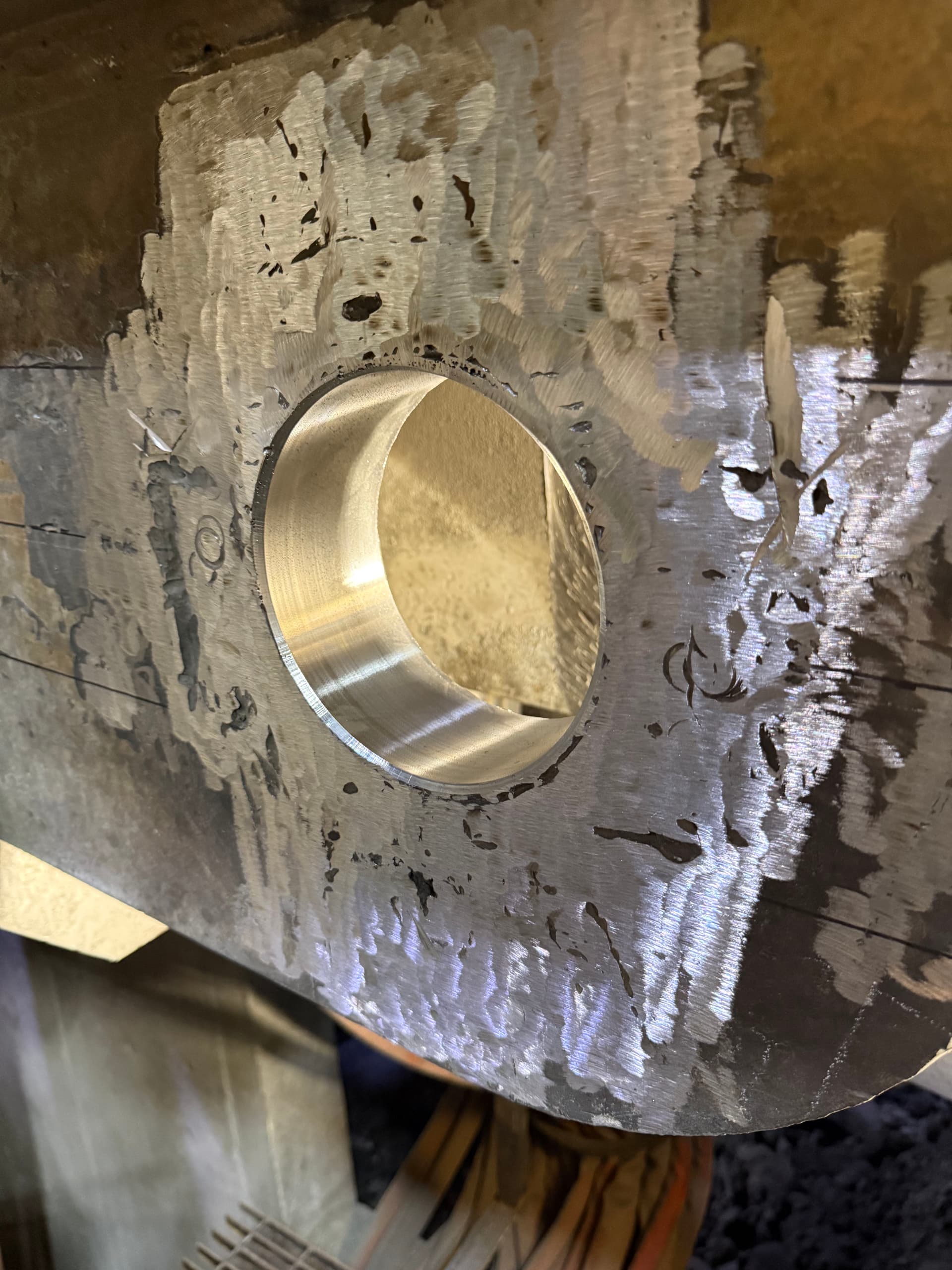
Once the weld buildup was solid, we brought in our portable line boring equipment and machined everything back to true. That's the whole point of line boring - it cuts a perfectly round, perfectly centered bore regardless of what the surrounding structure looks like. No removing the furnace, no shipping components to a machine shop. We do it on-site, which cuts downtime significantly compared to pulling the whole assembly.
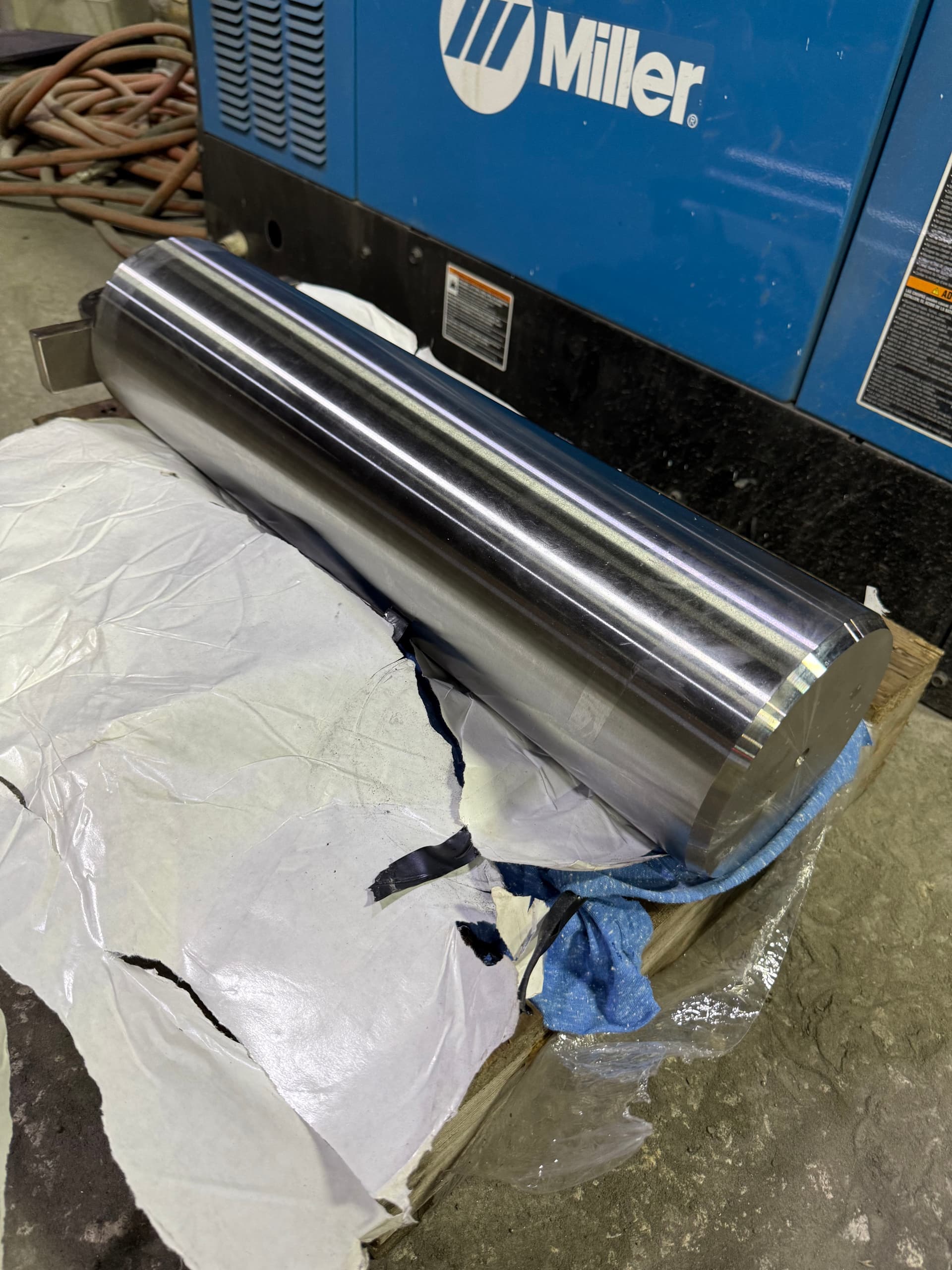
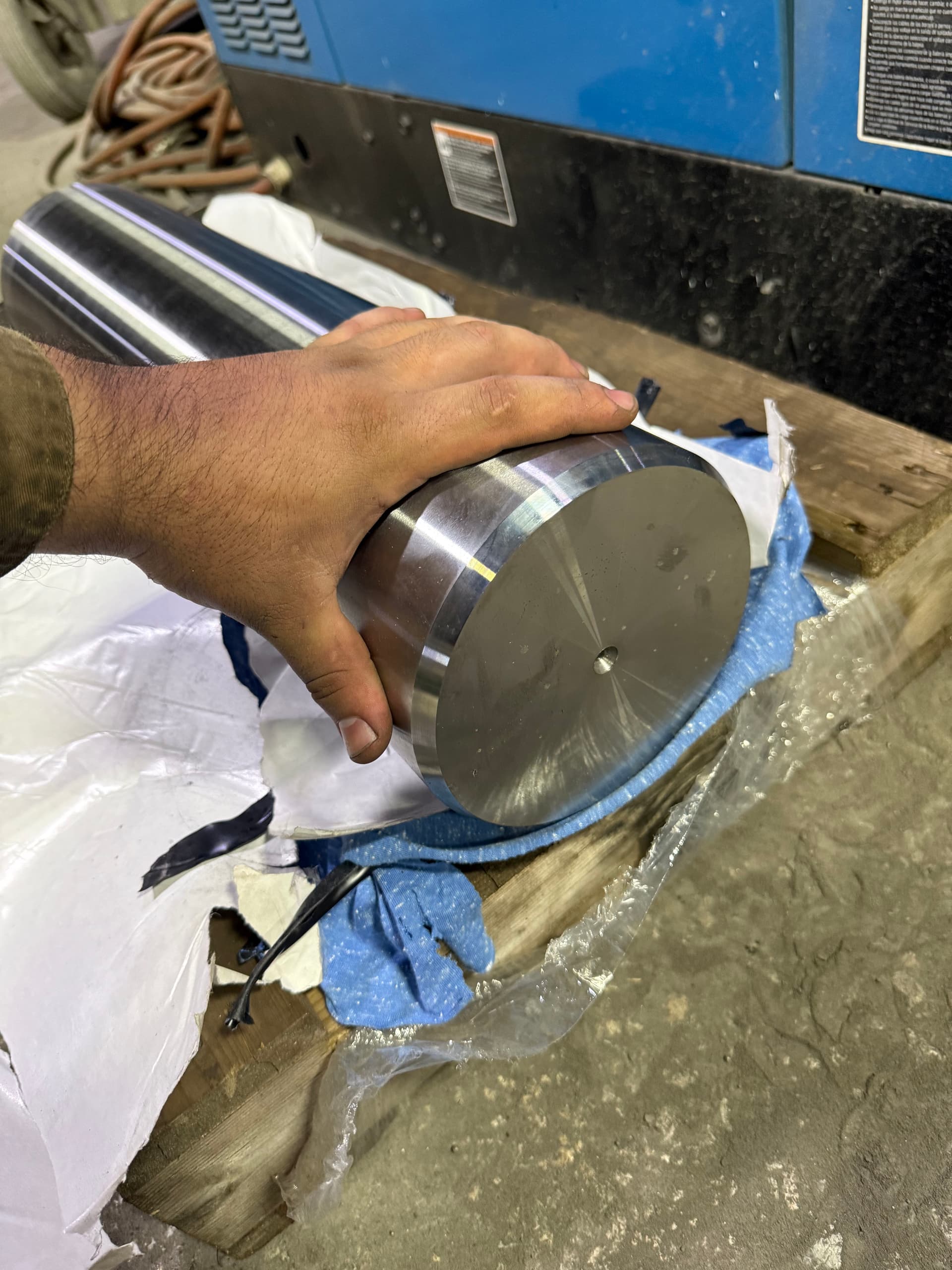
The finished bores came out clean. Smooth, round, and sized correctly to accept the new pin with a proper fit. That mirror-finished pin you see - that's what's going in. No slop, no rocking, no premature wear from a pin rattling around in an oversized hole. Just a solid, working connection the way it was designed to be.
This is exactly the kind of work portable line boring was built for. Heavy equipment, tight access, worn-out bores that look like they belong in the scrap pile. We've seen it before. Most of the time, the equipment itself is fine - it just needs the right repair done properly. If you've got machinery showing similar wear, it's worth a conversation before you start pricing out replacements.