Kubota Mini Excavator Bucket Shank Replacement Done Right
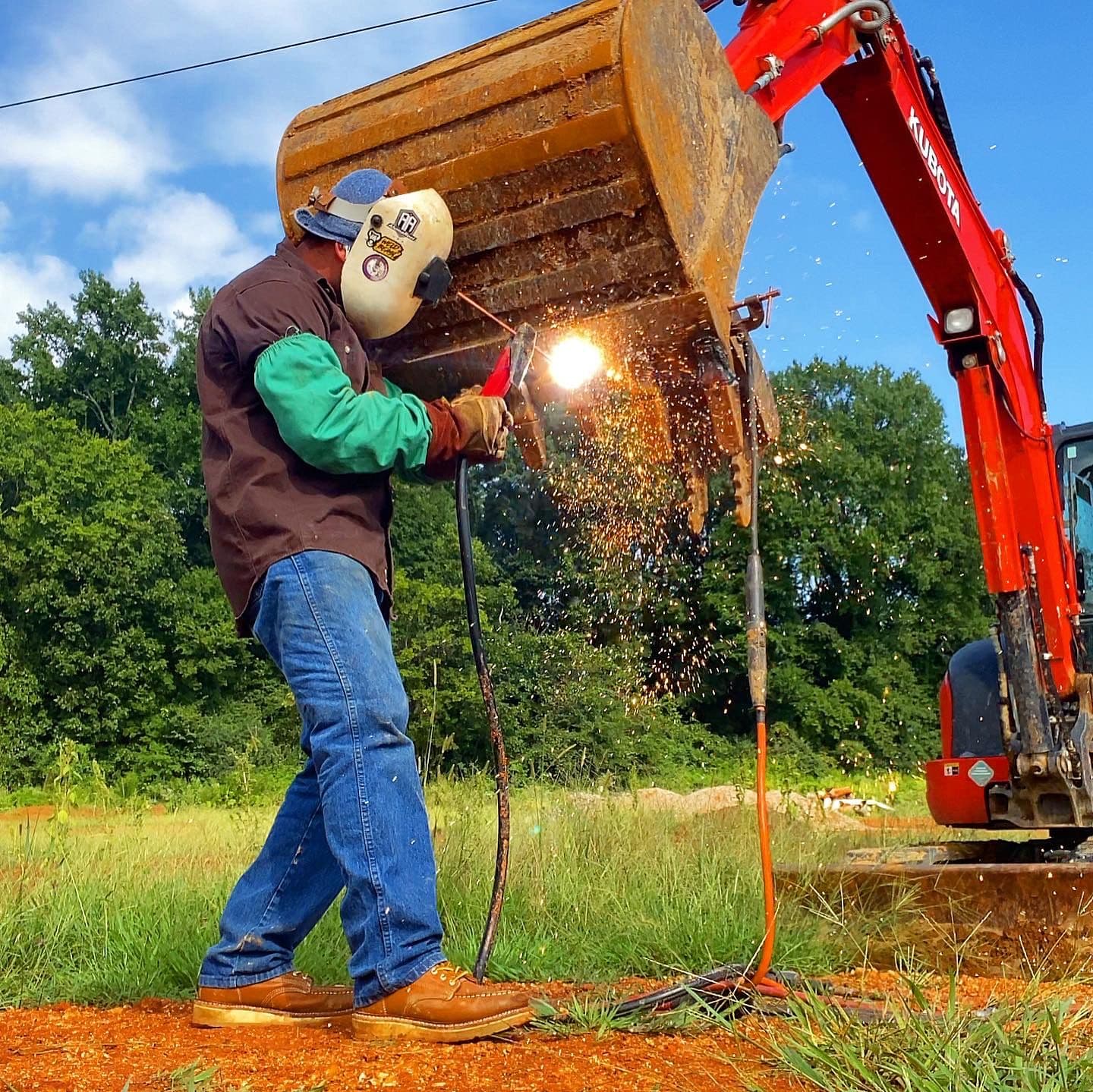
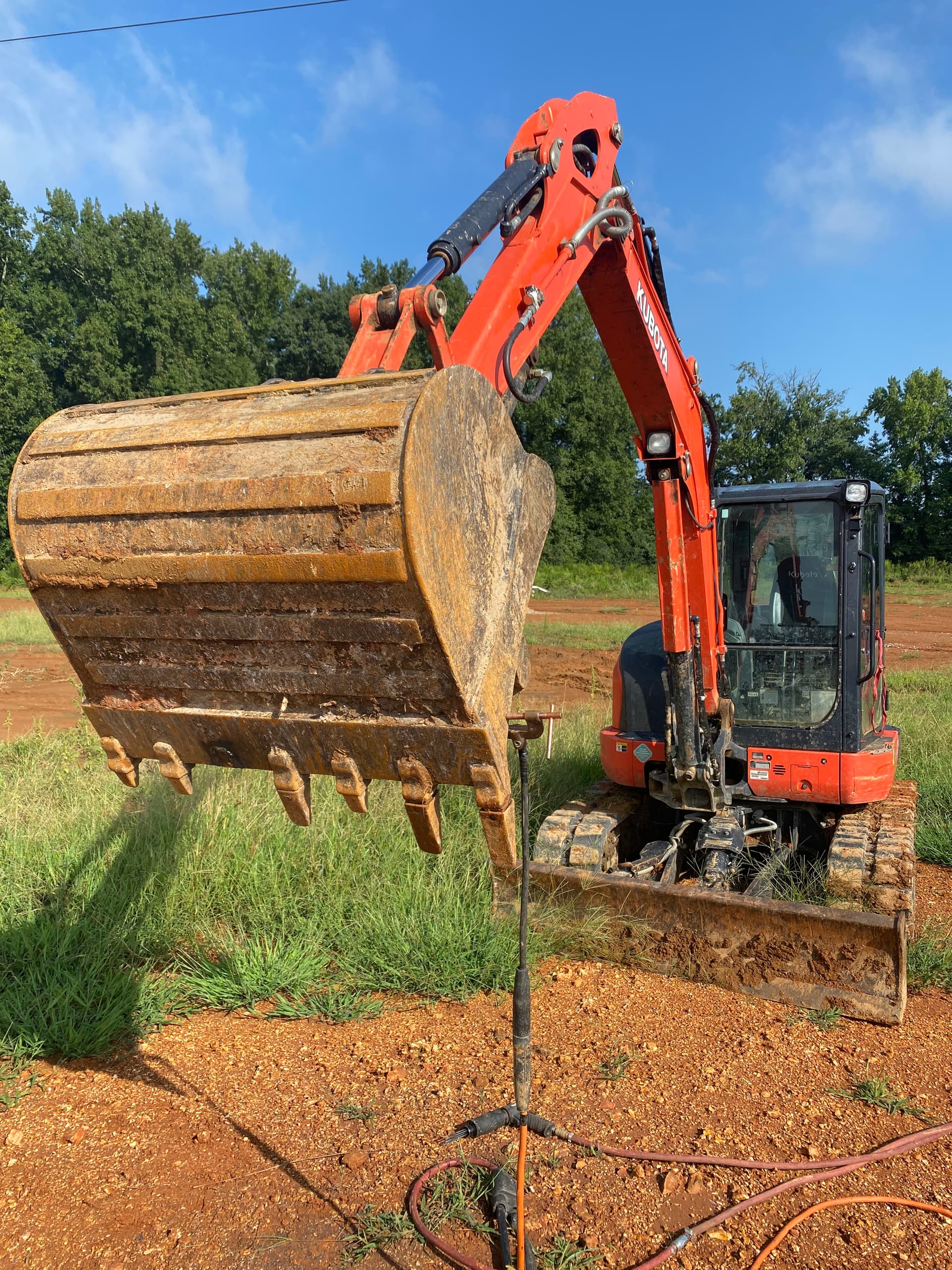
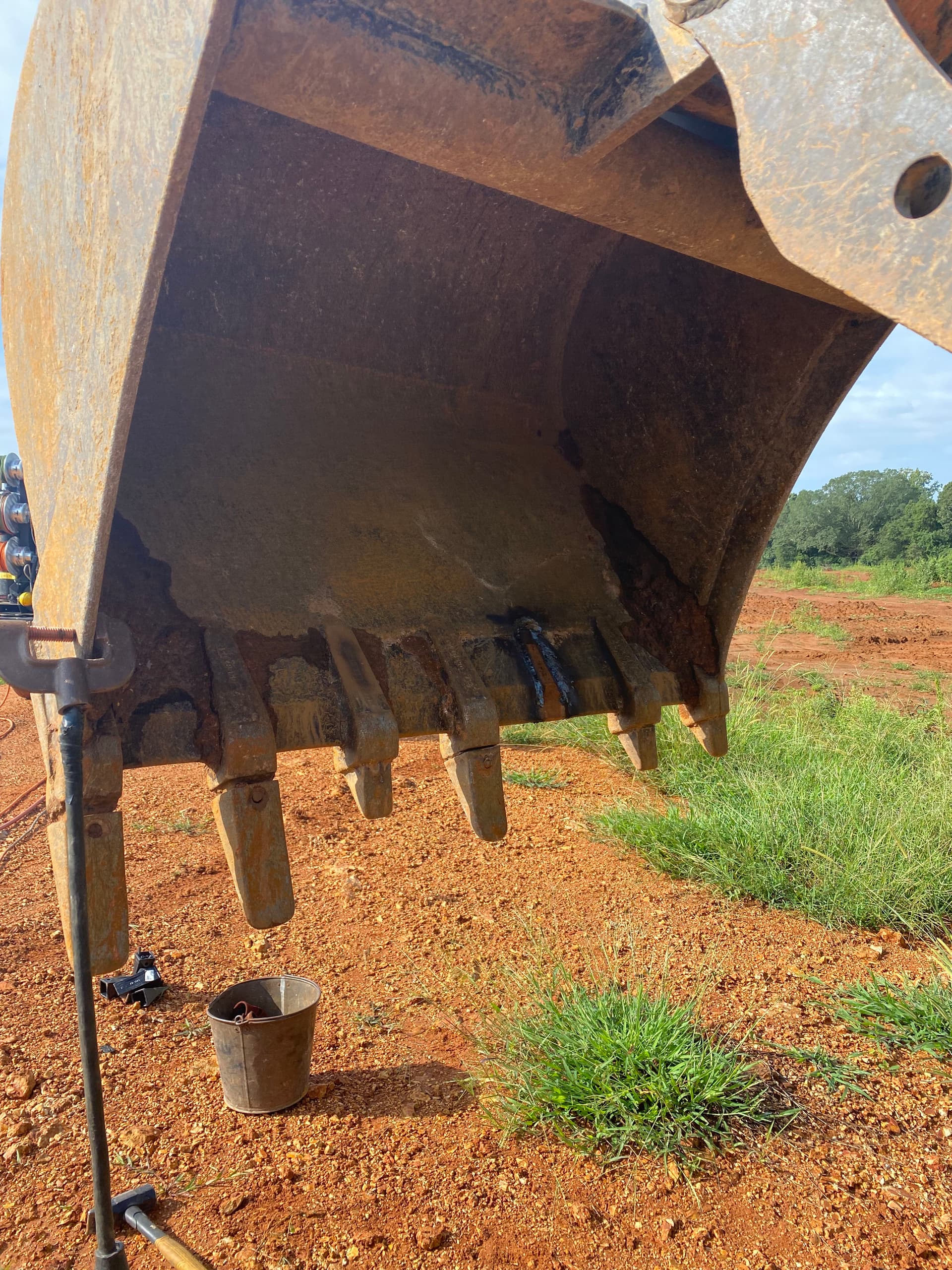
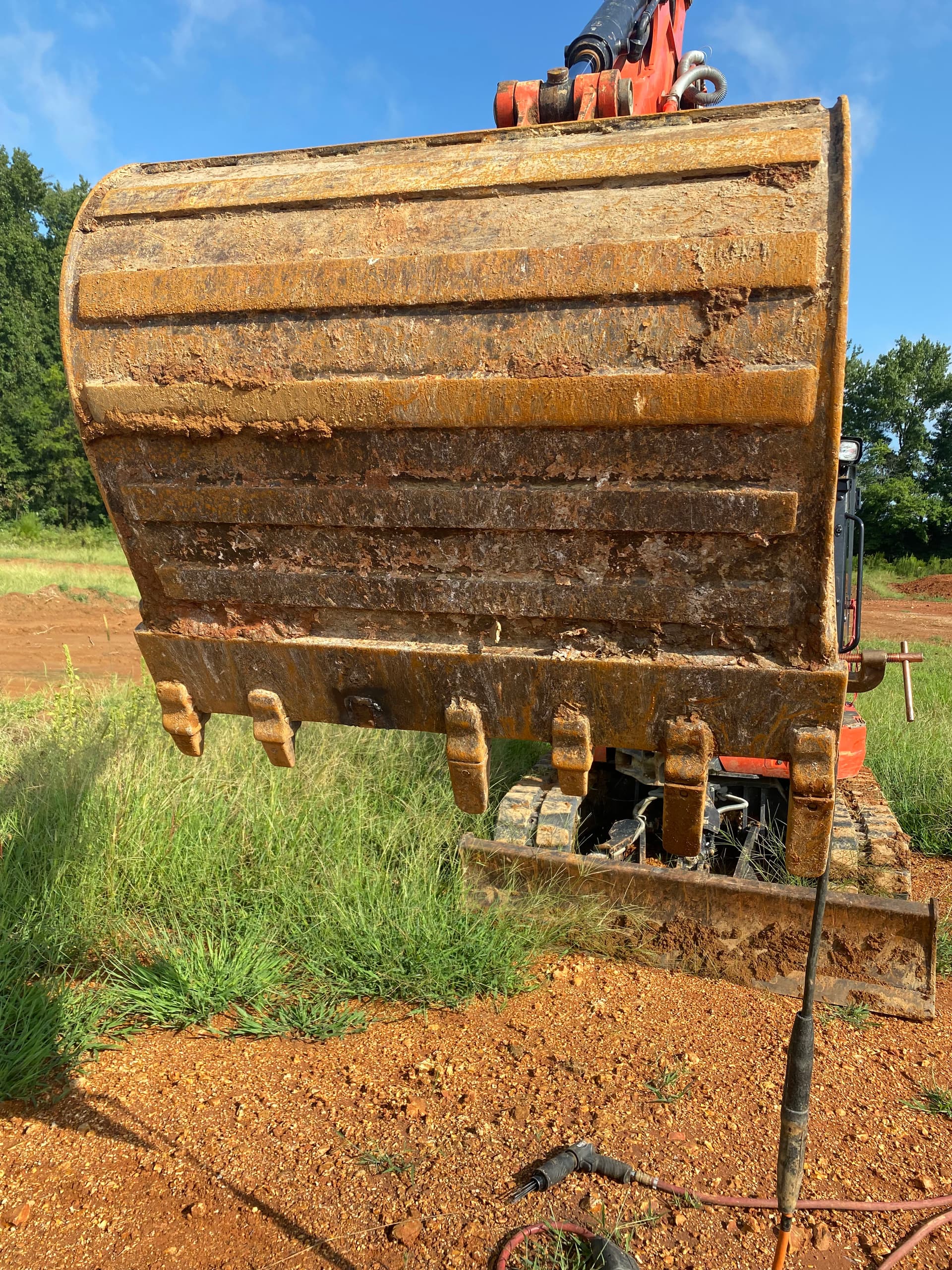
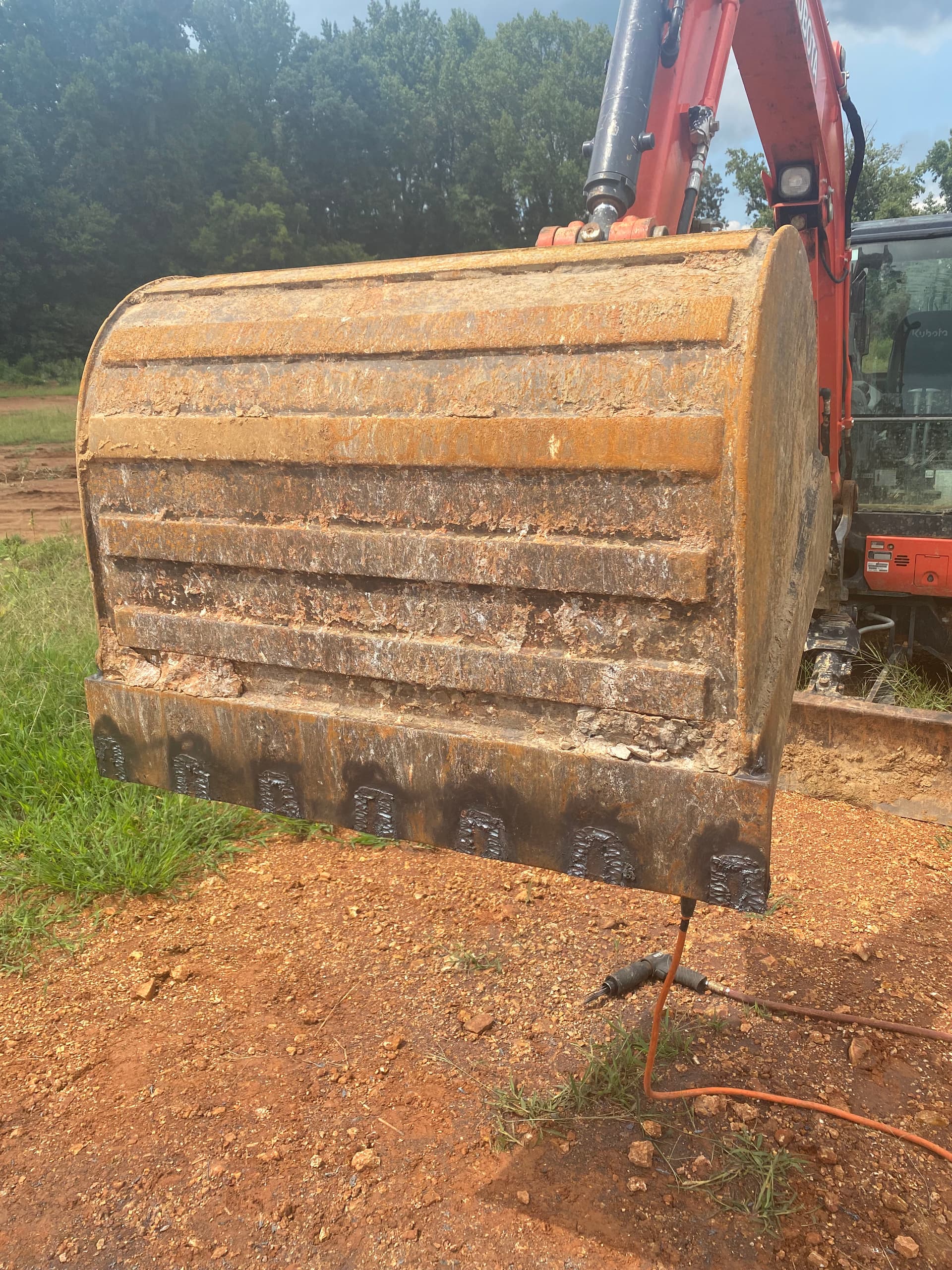
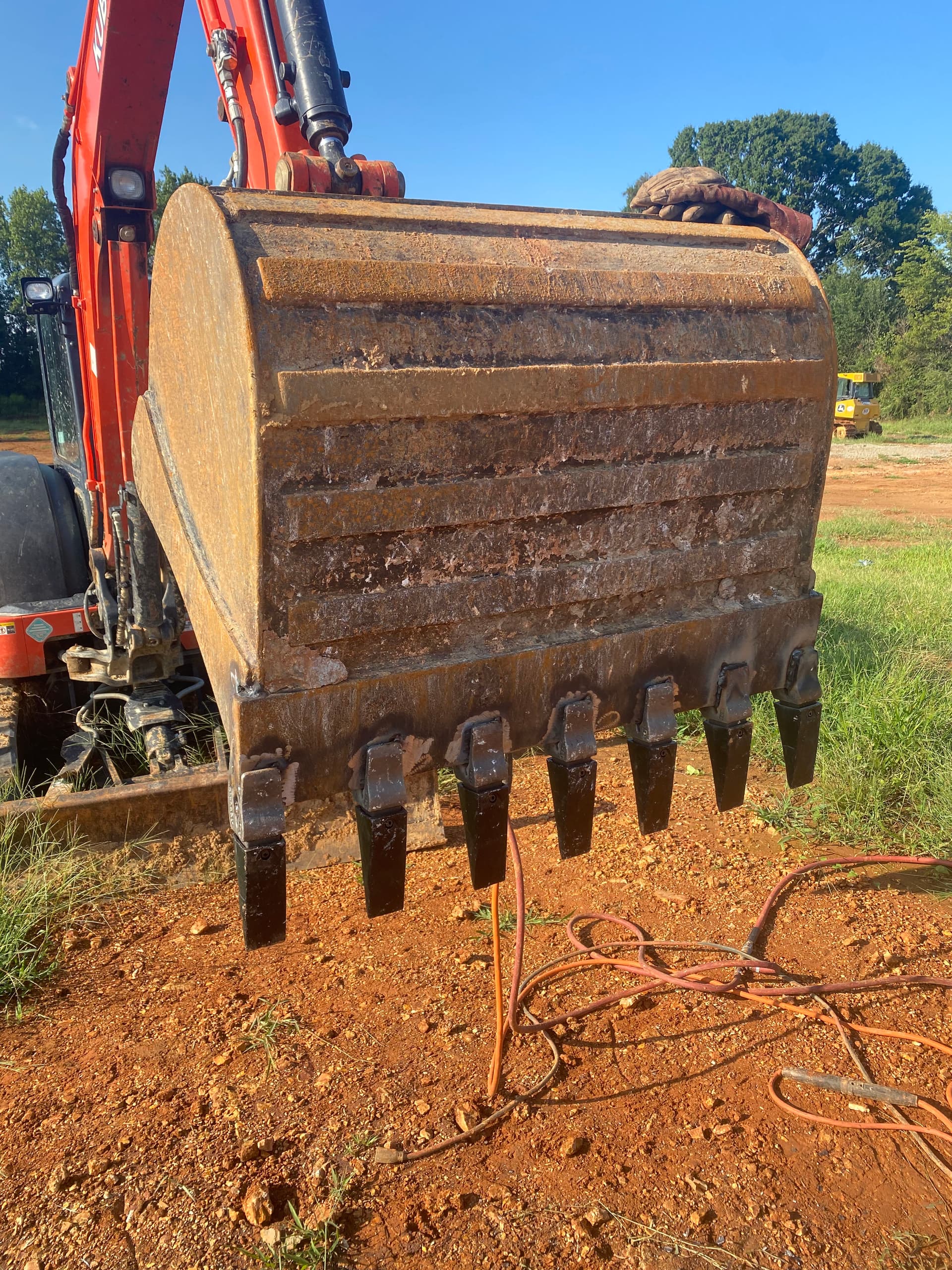
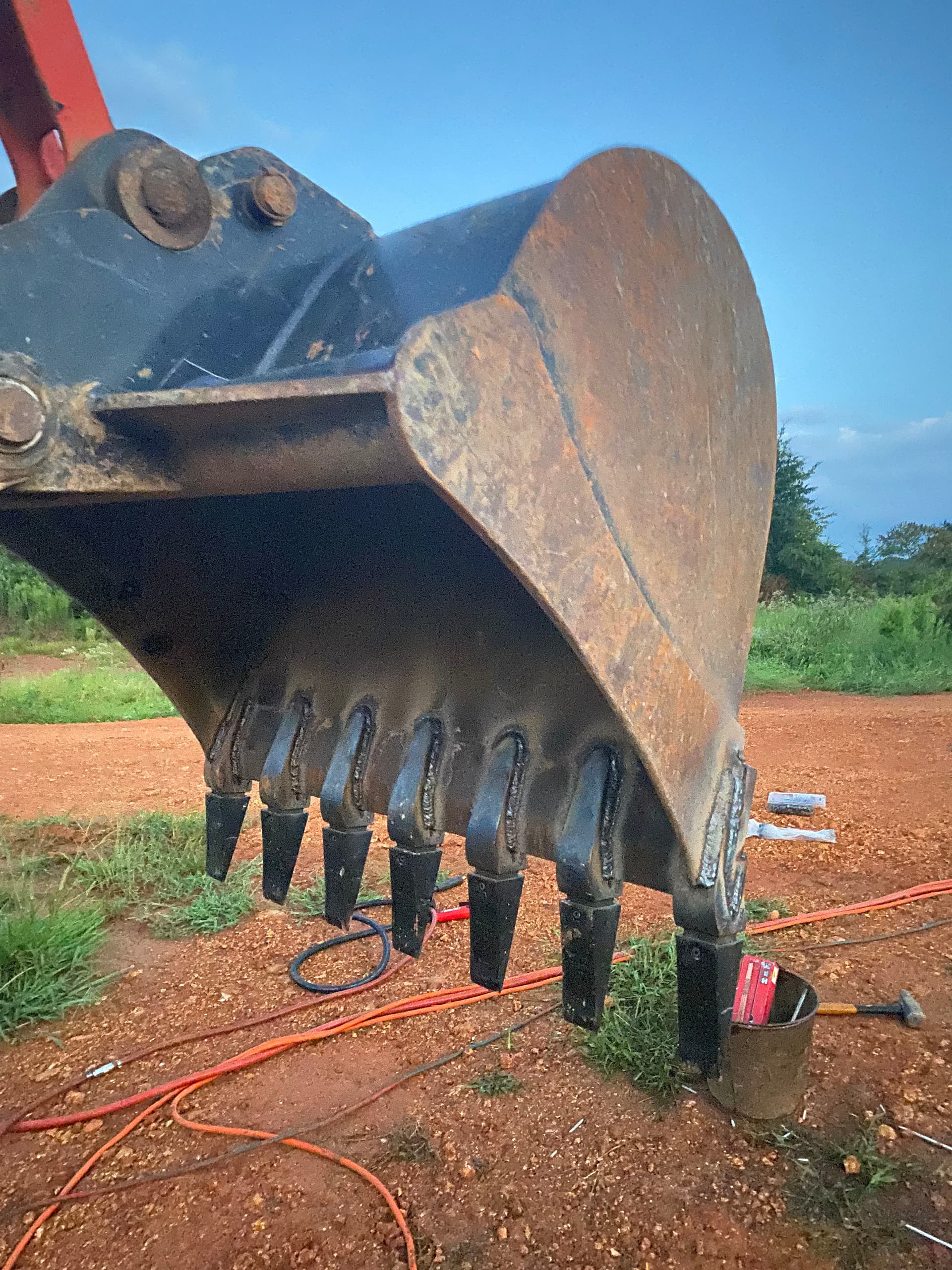
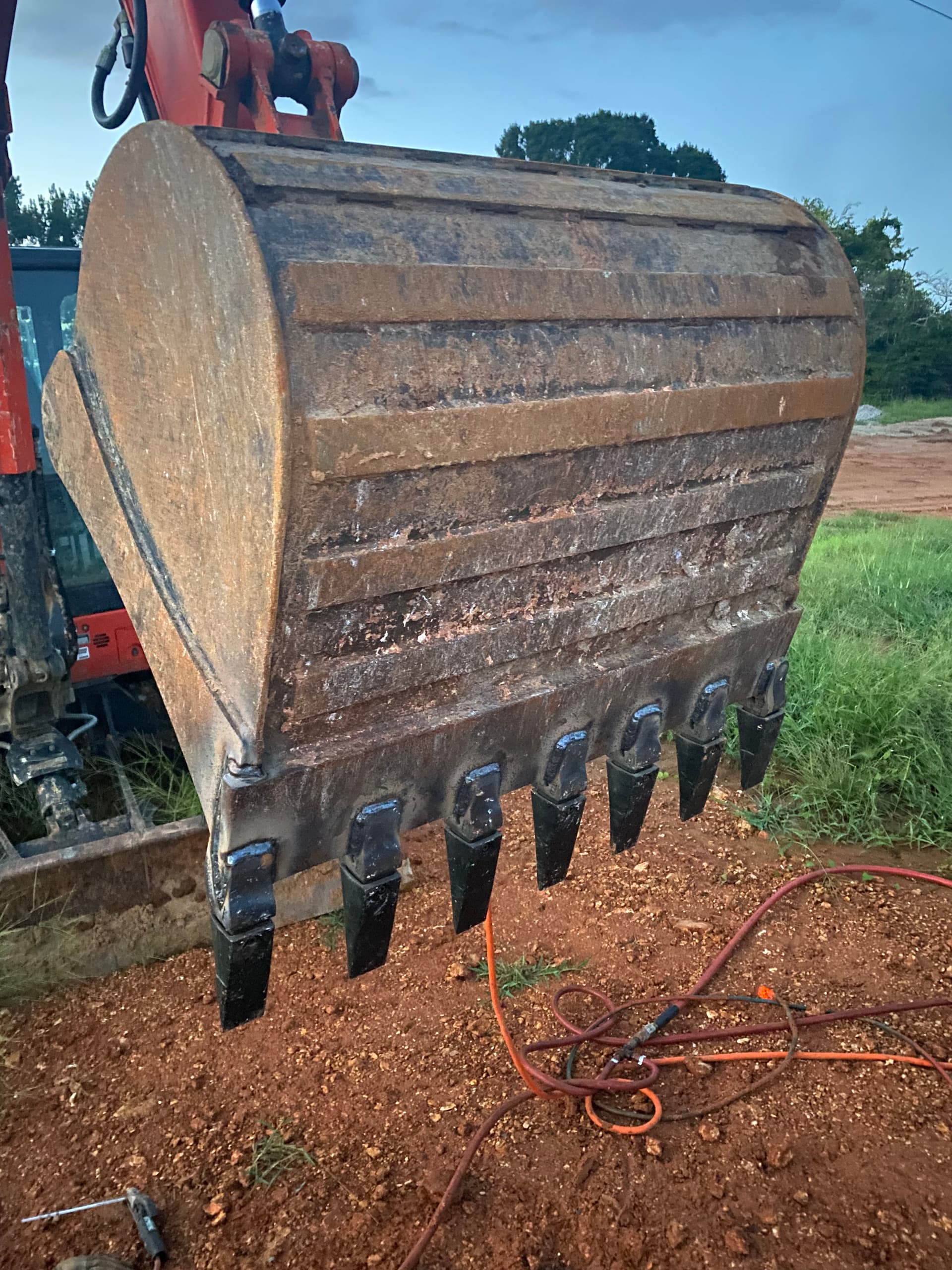
When bucket teeth wear down to nothing, the whole machine starts working against you. You lose penetration, your cycle times go up, and you end up fighting ground that a sharp bucket would cut right through. That's exactly what we were dealing with here - a Kubota mini ex bucket that had seen better days. The shanks were shot, and without solid shanks, even fresh bucket teeth can't do their job.
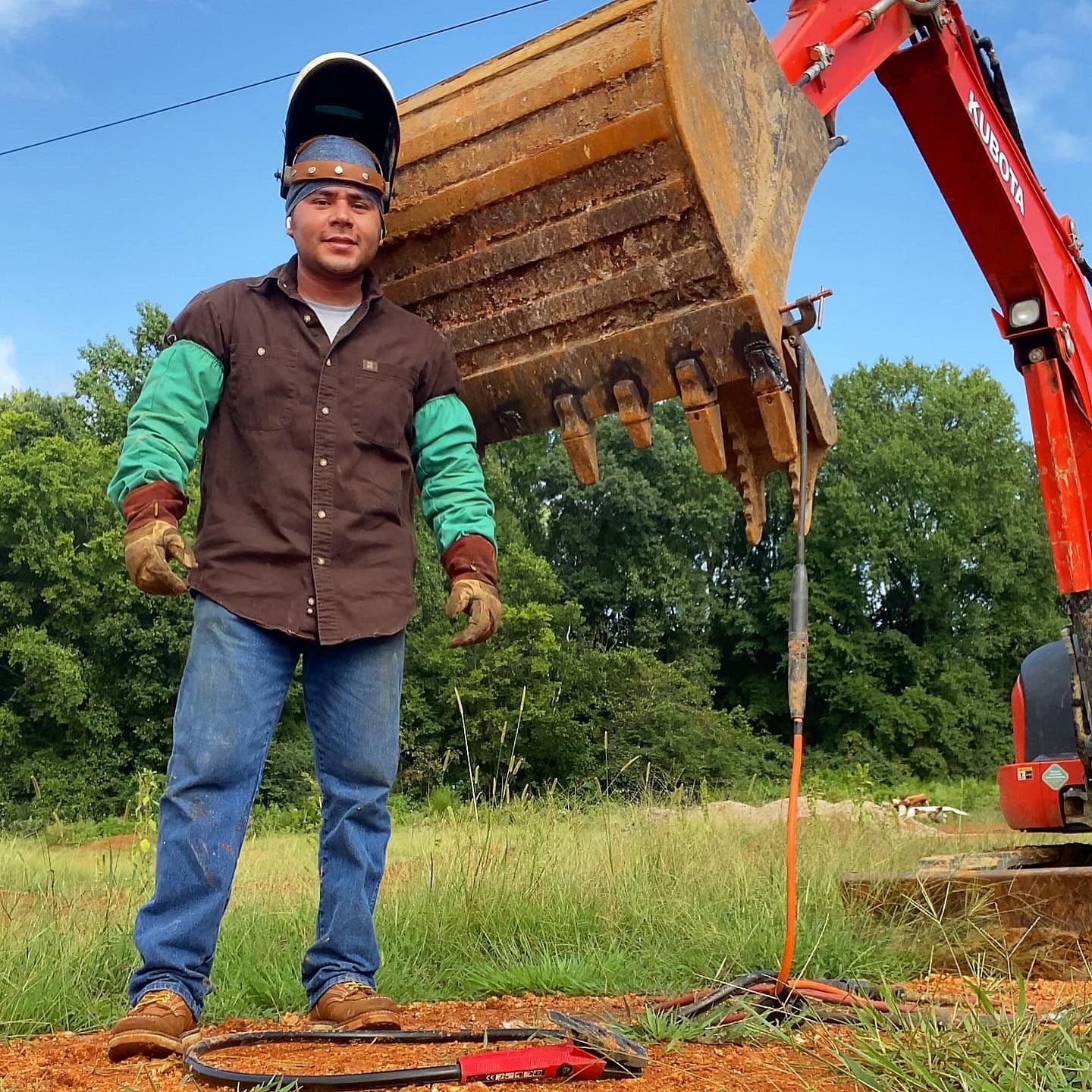
Here's what the situation looked like before we touched it. The cutting edge was bare in spots, the shanks were worn down and rounded off, and the bucket was basically pushing dirt instead of digging it. Not ideal when you've got work to get done. We set up on-site - no trailering the machine anywhere, no waiting on a shop - and got straight to it.
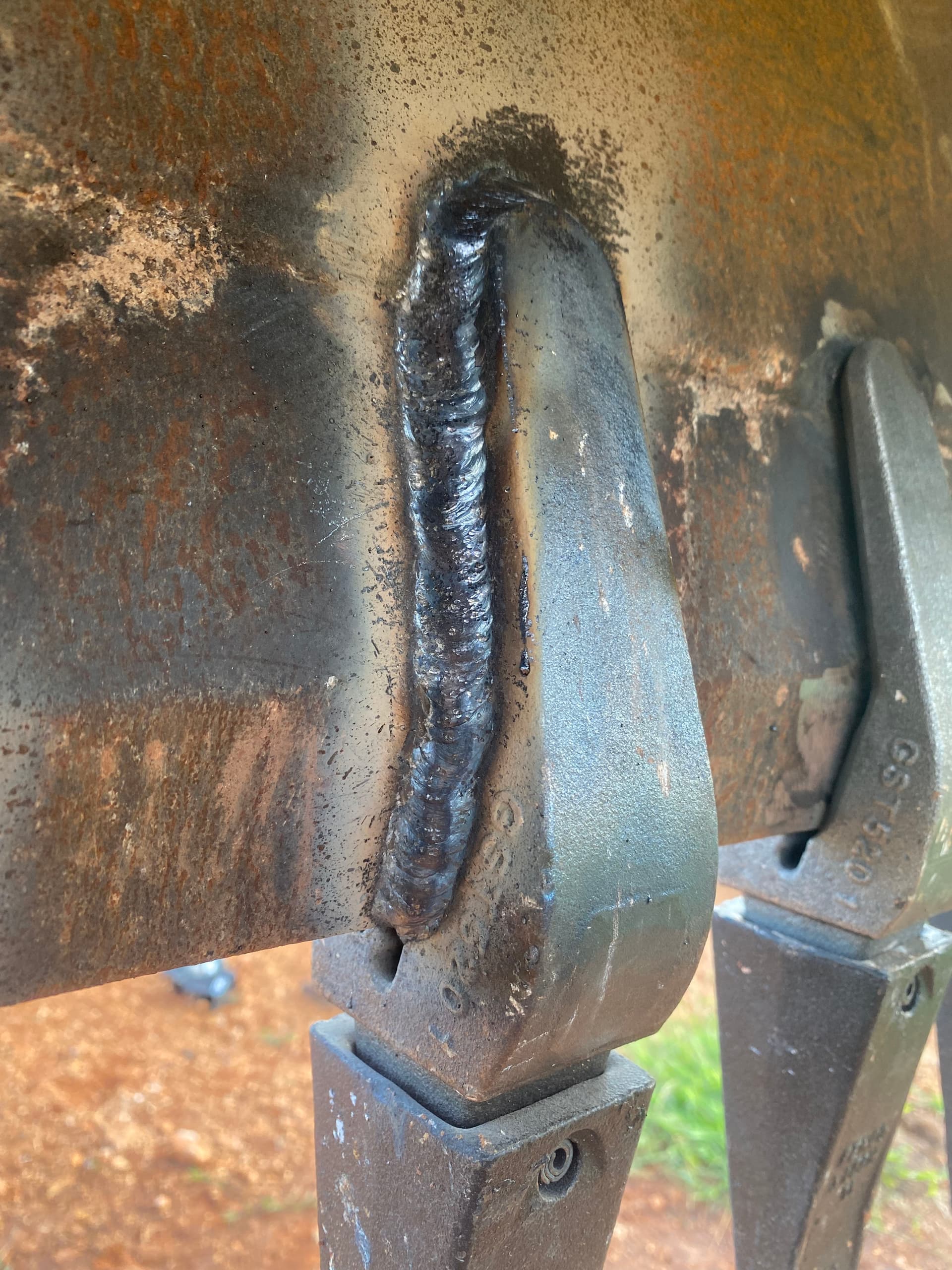
We knocked out a full shank replacement right there in the field. That's the whole point of mobile welding. The machine stays on the job, we bring the equipment to it, and the repair gets done without pulling everything off the schedule. Each new shank was welded in solid, and the bucket teeth were seated and locked in. The welds you see on the side panels are clean and tight - exactly how they need to be when the bucket is hitting hard ground pass after pass.
End result - a bucket that digs like it should. Sharp shanks, seated teeth, and a cutting edge that actually cuts. That's less strain on the machine, less fuel burned fighting bad penetration, and more dirt moved per hour. For any contractor or operator running equipment, worn bucket hardware is one of those things that sneaks up on you. You adapt to the inefficiency without realizing it until someone fixes it and you see the difference.
If your bucket teeth or shanks are looking rough, we can come to you. That's what our heavy equipment welding repair service is built for - keeping your equipment running without pulling it off the job site.