Crack Repair on a CAT Excavator Before It Became a Real Problem
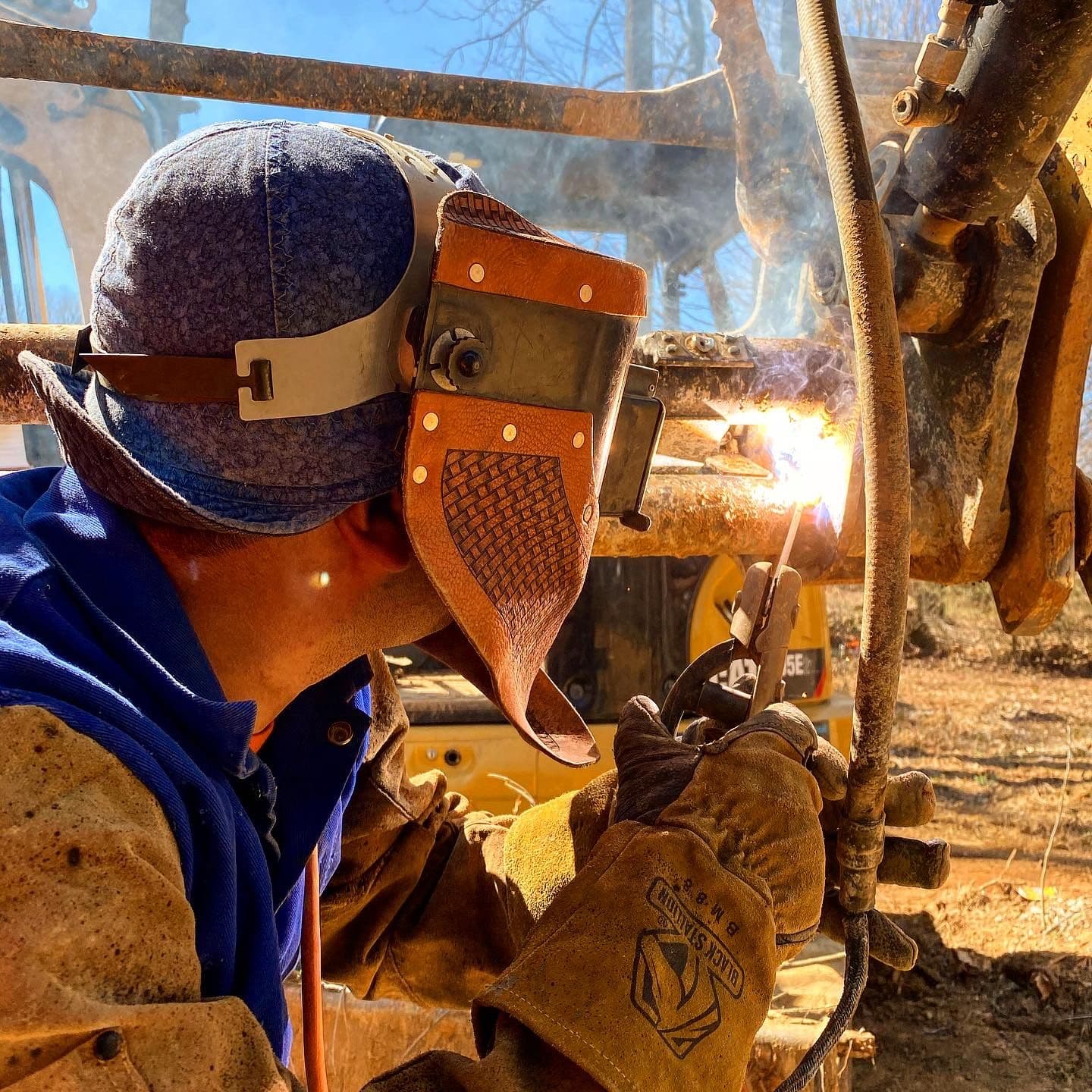
A small crack in heavy equipment isn't just a cosmetic issue. Left alone, it spreads - and what starts as a minor fix turns into a full structural failure, major downtime, and a repair bill that's a lot harder to swallow. That's exactly the kind of thing we stay ahead of.
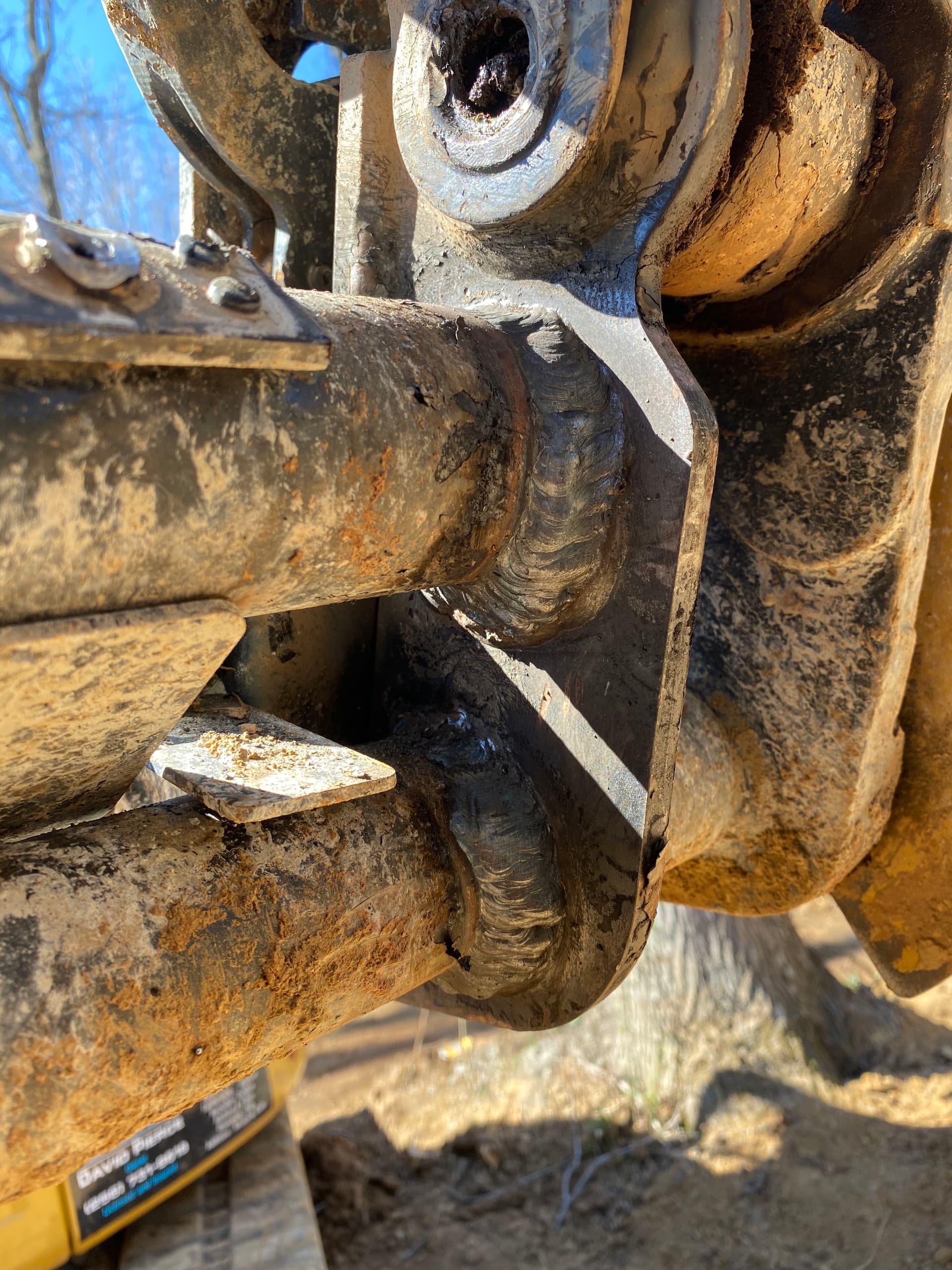
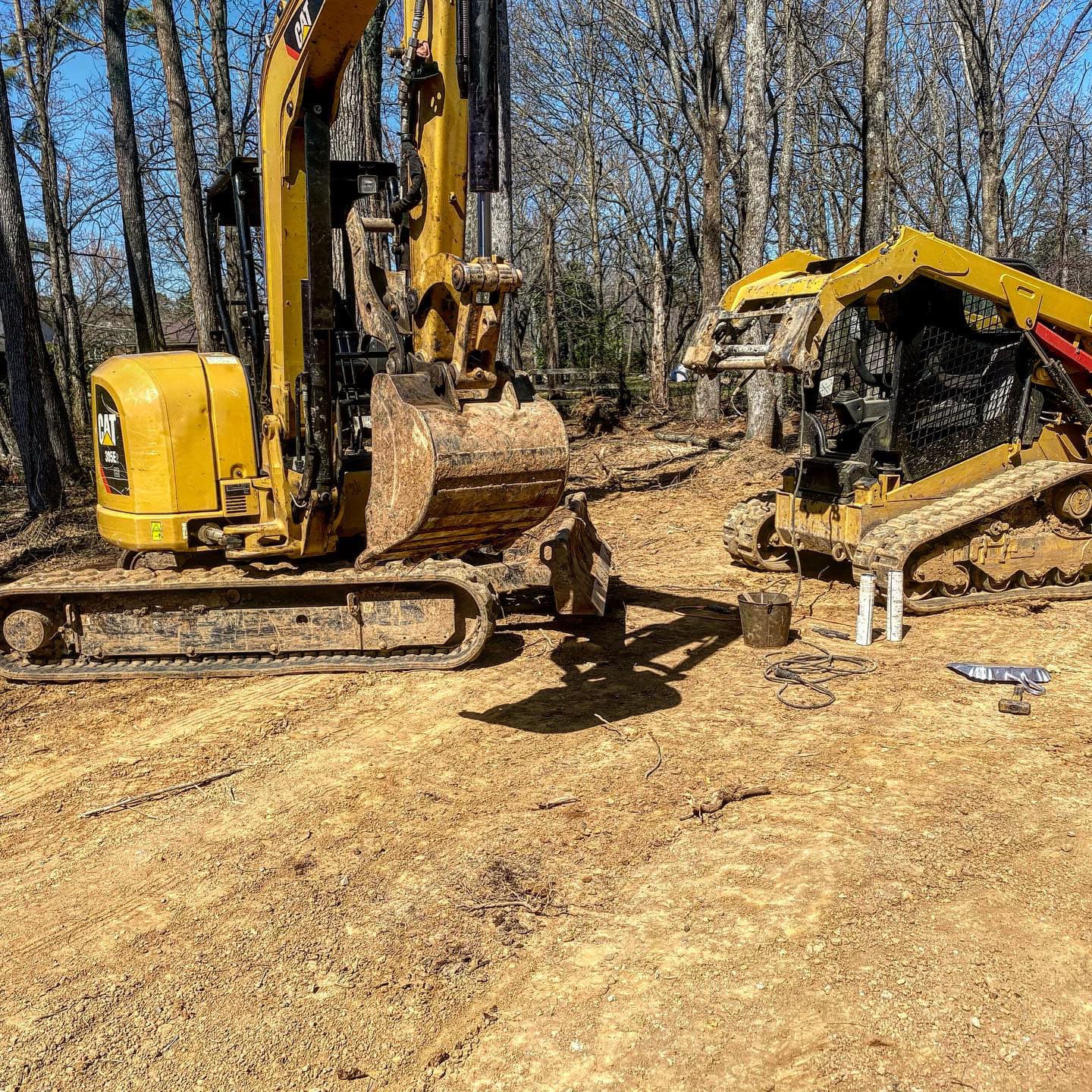
We came out to handle a routine crack repair on a CAT excavator right on site. No hauling it to a shop. No waiting days for an appointment slot. We showed up with the equipment to get it done in the field, which is exactly what mobile welding repair is built for. The repair itself focused on a structurally critical area near the arm linkage - a high-stress zone that takes constant load and impact during normal operation.
The weld work we laid down is clean, full-penetration, and built to hold up under the kind of abuse this machine sees every day. That's not an accident - it's the result of knowing how these machines move, where they flex, and what they need to stay in service. Heavy equipment welding isn't like welding a bracket on a trailer. You've got to understand the machine.
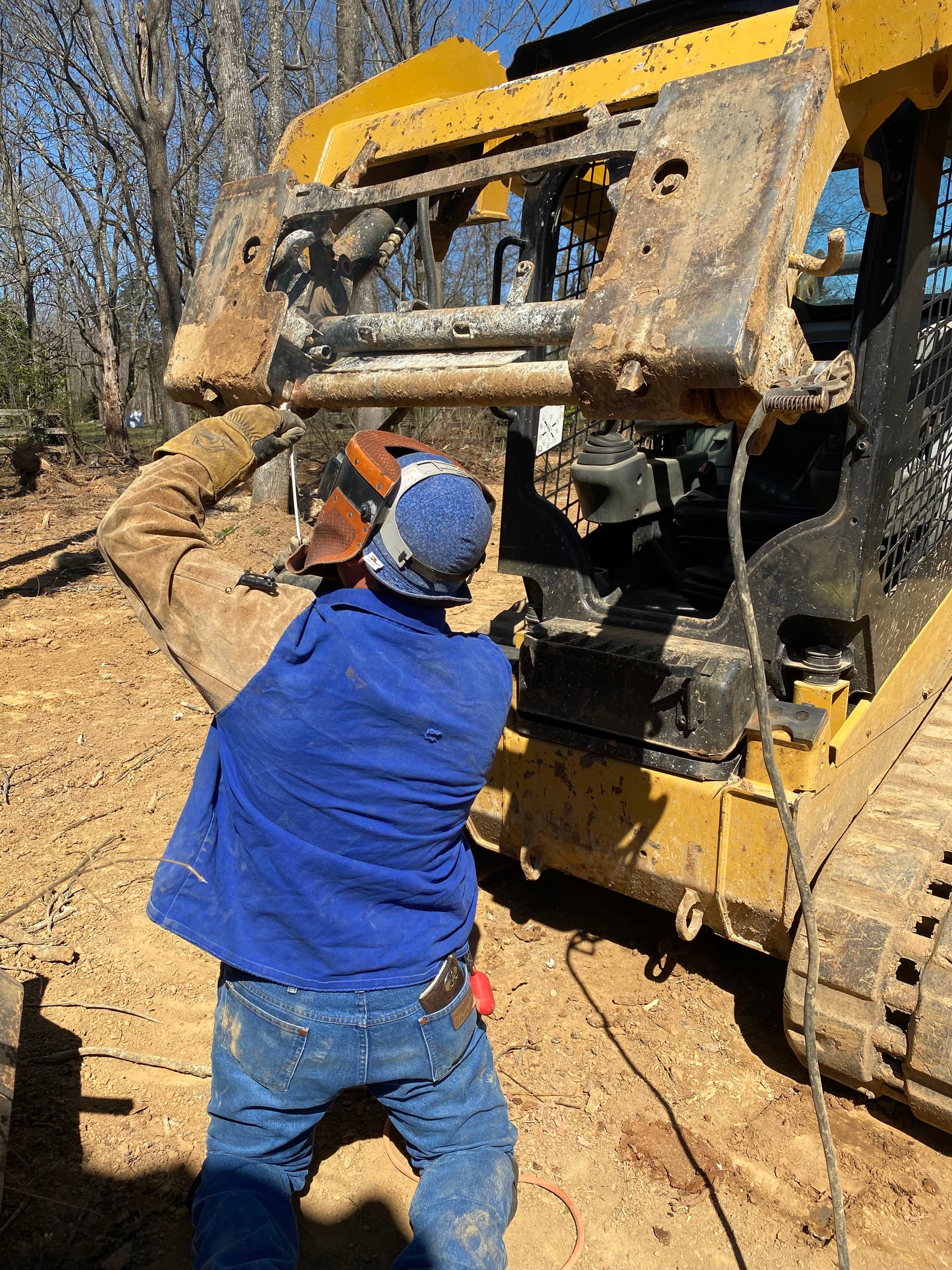
While we were on site, we also addressed repairs on a CAT track loader that was parked right next to it - cracked frame components near the lift arm area that needed the same attention. Two machines, one trip out, both back in service. That's the goal every time.
If your equipment is showing cracks, worn welds, or stress fractures anywhere on the frame or linkage - don't wait until it fails mid-job. Getting ahead of it is always cheaper than dealing with it after the fact.